Gardena-based team
Based at 1247 W 130th St, Gardena, and open 24 hours every day.
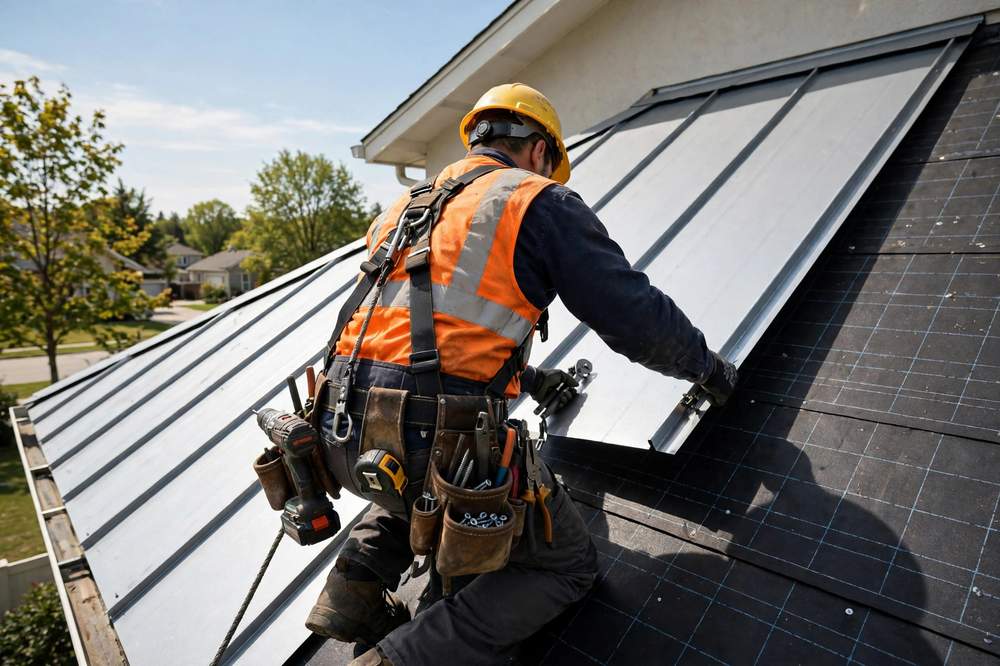
Metal roofing Gardena, on this page, means standing-seam and manufactured metal panel systems: panels made to a system, installed with that system's fastening, flashing, and seam method. What is offered is the panel system, installed as its manufacturer designed it.
Based at 1247 W 130th St, Gardena, and open 24 hours every day.
Review the approach and call for an estimate before deciding.
What is found on the roof is shown, not just described.
Follow-through from first call to final walkthrough.
A metal panel roof is a system of panels, seams, and flashing, and its performance comes from all three being installed to the same method.
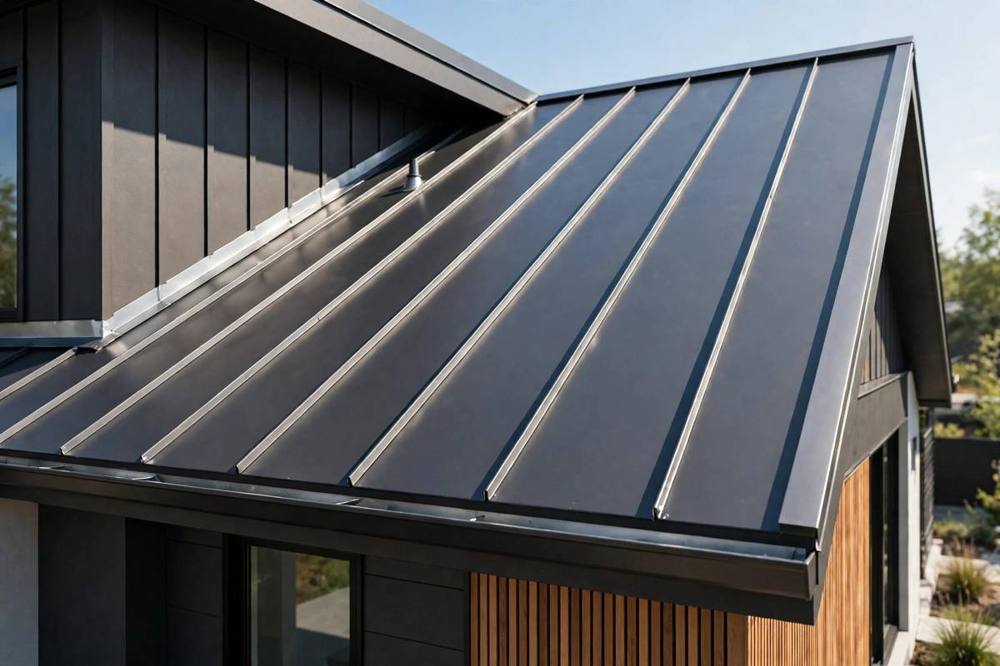
Concealed-fastener standing-seam panels, where the seam itself is the weather line and fasteners are hidden from sun and rain.
Manufactured panels installed to their system's fastening, seam, and flashing method, rather than site-fabricated improvisation.
Underlayment suited to metal — heat and condensation aware — laid before panels, since metal's underside is where condensation, not just rain, matters.
System flashing at walls, chimneys, vents, and pipe boots, formed and fitted to the panel system, not generic metal bent to fit.
Ventilation and underlayment are planned with the panels, since a metal roof's underside needs the same attention as its weather side.
Seams, flashing, and panel runs are walked and photographed, with permit paperwork left for the owner.
Share what is happening and receive a clear next step from the local team.
Metal's Gardena case is specific: a panel system that reflects sun, sheds winter rain quickly, and resists Santa Ana wind lifting when its seams and fasteners are installed to system. Its risks are equally specific — expansion and contraction across Gardena's hot days and cool nights, condensation on the panel underside, and flashing that must move with the panels rather than fight them. A metal scope therefore names the panel system, its seam method, and its flashing method together, not just a metal name.
Gardena is an incorporated Los Angeles County South Bay city (incorporated 11 September 1930, 5.86 sq mi, 2020 population 61,027), with a median year built of 1964 and its largest building decade 1950–59 (28.4%). It is flat, at about 49 ft, with concentrated winter rain of about 13–14 inches a year, mostly November to March and near-zero June to September, plus Santa Ana wind season and strong sun and heat ageing. City of Gardena form BLD-020 (rev. 12/2/25) gives the design criteria as 100 mph wind, Exposure C, Seismic Design Category D, and Climate Zone 8. Permits are issued by the City of Gardena Building & Safety, 1700 W 162nd St — City counter (310) 217-9530 — not LADBS, which covers the City of Los Angeles only. The City of Gardena states that most residential, commercial, and industrial construction work, including re-roofs, requires a building permit, and that a reroof permit is an over-the-counter type that will not be processed without completed CF1R forms. Gardena fees are valuation-based under the 1 July 2026 schedule; no flat residential reroof fee exists, so check the current schedule or counter for the job's total. Cool-roof compliance is checked at permit stage for the roof type and area involved, using CRRC-listed products. Related reading comparing metal and shingle is in the blog link at the bottom of this page.
Call to discuss an estimate. The pitch, runs, penetrations, and existing structure are looked at, and the panel system is matched to them.
The standing-seam or manufactured panel system is specified, cool-roof compliance is checked at permit stage, and underlayment, flashing, and ventilation are scoped with it.
The deck is confirmed sound, metal-suited underlayment is laid, and flashing lines are set before panels start.
Panels are installed to the system's fastening and seam method, with flashing built in at walls and penetrations as runs progress.
Seams, flashing, and panel runs are walked and photographed, and permit paperwork is handed over.
Standing seams are closed with the system's seamer, creating a seam that is part of the panel system, not a folded guess.
Panels are cut to run length with tools suited to coated metal, so cut edges stay clean and coated where the system requires it.
Clips and fasteners are set to the system's spacing and depth, allowing panel movement while holding wind performance.
System flashing is formed on site to the walls, chimneys, and penetrations of this roof, within the panel system's method.
Metal pitches and metal footing need fall protection and careful footing, especially on steep or morning-damp panels.
Underlayment, seams, flashing, and finished runs are photographed stage by stage.
A standing-seam system is specified, cool-roof compliance checked at permit stage, and seams and flashing installed to the system's method, with ventilation planned for the panel underside.
A manufactured panel system is compared against a shingle replacement on fastening, seam, and wind grounds, and the scope follows the roof's pitch and structure, not a default.
The custom fabrication scope is named as C-43 territory rather than folded into a C-39 claim, so the owner knows which scope covers which work before it starts.
Gardena is an incorporated Los Angeles County South Bay city (incorporated 11 September 1930, 5.86 sq mi, 2020 population 61,027), with a median year built of 1964 and its largest building decade 1950–59 (28.4%). It is flat, at about 49 ft, with concentrated winter rain of about 13–14 inches a year, mostly November to March and near-zero June to September, plus Santa Ana wind season and strong sun and heat ageing. Metal work here is usually a panel-system replacement or a new panel roof on a pitched home, where seam method and flashing matter more than the metal's name. City of Gardena form BLD-020 (rev. 12/2/25) gives the design criteria as 100 mph wind, Exposure C, Seismic Design Category D, and Climate Zone 8. Permits are issued by the City of Gardena Building & Safety, 1700 W 162nd St — City counter (310) 217-9530 — not LADBS, which covers the City of Los Angeles only.
Older frontage brings varied pitches and party-wall flashing into some metal scopes, alongside the usual seam and run questions.
Tract homes with low-to-moderate pitches need the panel system matched to pitch, since not every system suits every slope.
Detached homes and small multifamily buildings share the same metal pattern: system, seam method, flashing method, named together.
Southern Gardena's older stock adds framing checks where a covering change alters the load the structure carries.
North Gardena tract homes mix pitched and low-slope sections, so a metal scope names which pitch it covers.
Offshore wind season, typically September to May, is when seam and fastener method prove themselves — or do not.
Long hot days and cool nights move metal panels; clips and flashing must allow that movement by design.
Concentrated November-to-March rain tests seams and flashing at once, which is why seam method leads a metal scope.
A pitched home needed a covering that would shed winter rain fast and resist wind lifting, with a cool-roof check to meet.
A standing-seam system was installed to its seam and fastener method, with cool-roof compliance checked at permit stage.
Maintenance: Check seams and flashing after wind season, and keep valleys clear of debris.
A shingle field kept lifting in wind season, and the owner asked whether panels would do better.
Panel and shingle options were compared on fastening, seam, and pitch grounds, and the scope followed the roof's structure.
Maintenance: Whichever system is chosen, its seam and fastener method govern its wind performance.
A roof needed flashing work beyond what a panel system covers, and the owner asked who could do it.
The custom fabrication scope was named as C-43 territory rather than claimed under C-39, so the right scope was arranged before work.
Maintenance: Keep the scope split in the roof file, so future work knows which trade covered which detail.
Metal solves the problems its system is designed for — and its limits are stated where they are not.
A panel system with concealed fasteners and seamed joints resists wind lifting by method, not by weight alone.
A cool-roof panel system reflects sun rather than absorbing it, with compliance checked at permit stage.
Failed seams and flashing on an old roof are replaced by a system whose seam and flashing methods are specified together.
Work that needs custom on-site sheet-metal fabrication is C-43 territory; naming it separately prevents a C-39 claim from covering work it does not.
A metal roof is verified by its system name, its seam method, and its flashing method — all named in the scope before panels arrive. Ask for those three names, and ask where custom fabrication would fall if the job needs it.
Full roof replacement plus seamless gutters; praised a detailed consultation, the company's own trained crew rather than subcontractors, daily project-manager presence, daily cleanup, and passing inspection.
First full roof replacement and new gutters; praised a step-by-step explanation and patience with insurance and financing questions, and clear communication.
Full roof replacement, gutters, gutter guard, and siding work in the reviewer's own account; praised colour renderings, scheduling, organisation, and communication, and options suited to Gardena sun and seasonal rain.
Leak leading to full replacement; praised a fast estimate and inspection, fair repair-versus-replacement advice, a 2-day install, and rooftop photos.
Reroof after poor workmanship and leaks on a new-home build; praised a thorough explanation, insurance-claim help, careful work on a steep roof with a special panel system, and cleanup.
Aggregate only for the other reviews: 4.9 stars across 42 reviews in total. Reviewers described pricing as fair; no dollar figure is claimed from reviews.
Standing-seam and manufactured metal panel systems, installed to their manufacturer's fastening, seam, and flashing method.
A panel system specified for sun reflection and installed to its seam and fastener method suits Gardena's heat and Santa Ana wind season, provided its cool-roof compliance is checked at permit stage and its flashing allows for panel movement.
Yes, for a reroof. The City of Gardena states that re-roofs require a building permit, issued over the counter, with completed CF1R forms. City counter: (310) 217-9530.
The panel underside needs attention: metal-suited underlayment and ventilation are part of the scope, since condensation is a real failure path on a metal roof, not just rain from above.
Not seeing your question? Our local team can help you understand urgency, scheduling and what to expect. Related reading: Metal roofing vs shingle roofing in Gardena: which lasts longer?.
Ask the local team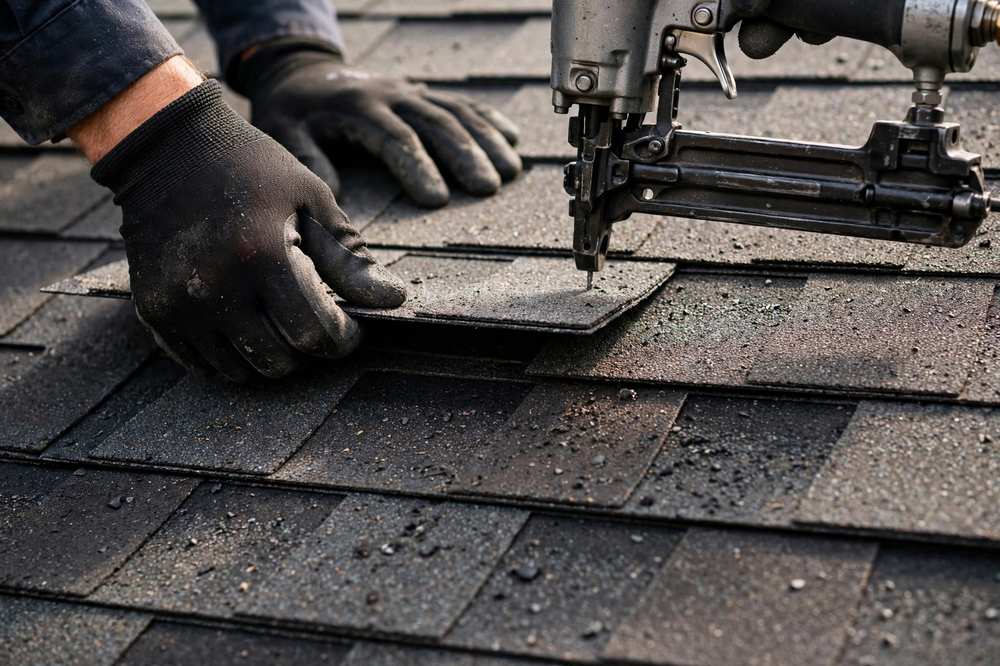
Cool-roof architectural asphalt for Gardena's sun and winter rain.
View service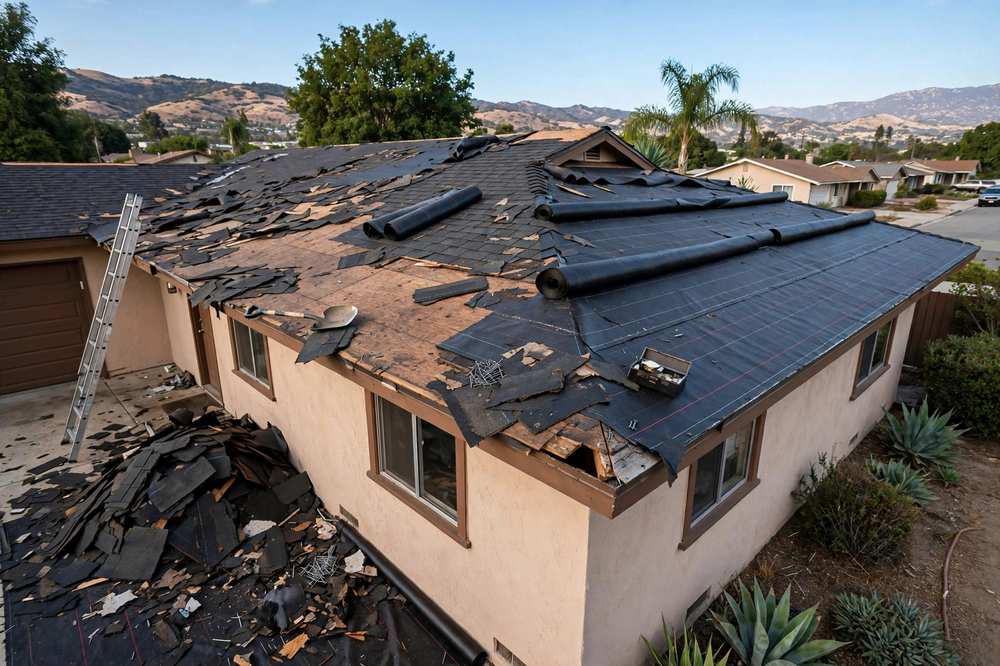
Full tear-off and rebuild when repair can no longer keep a roof sound.
View service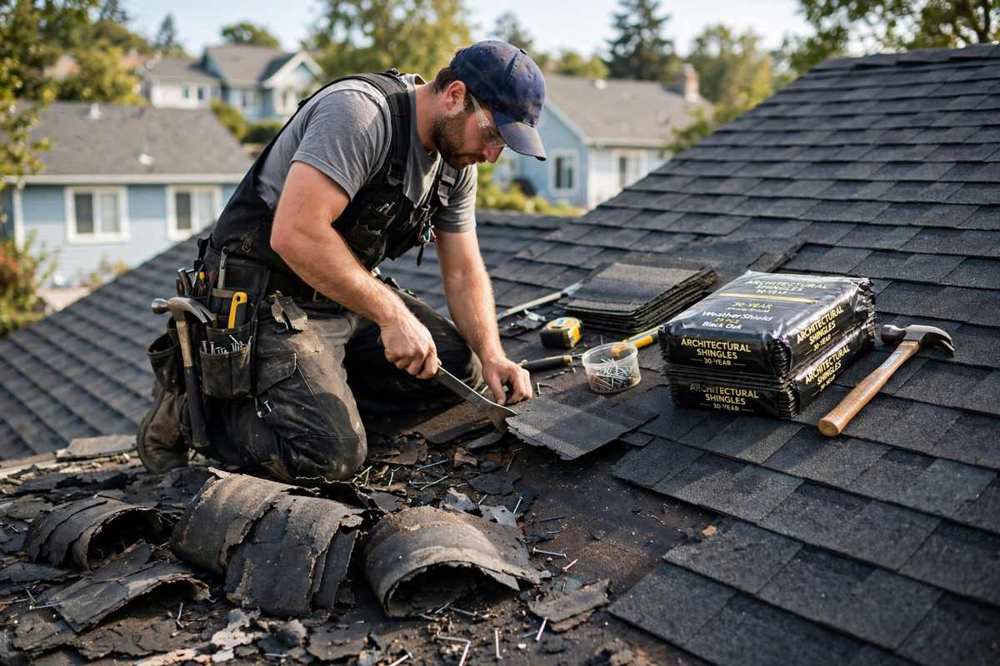
Targeted fixes for a defined problem, without replacing the whole roof.
View service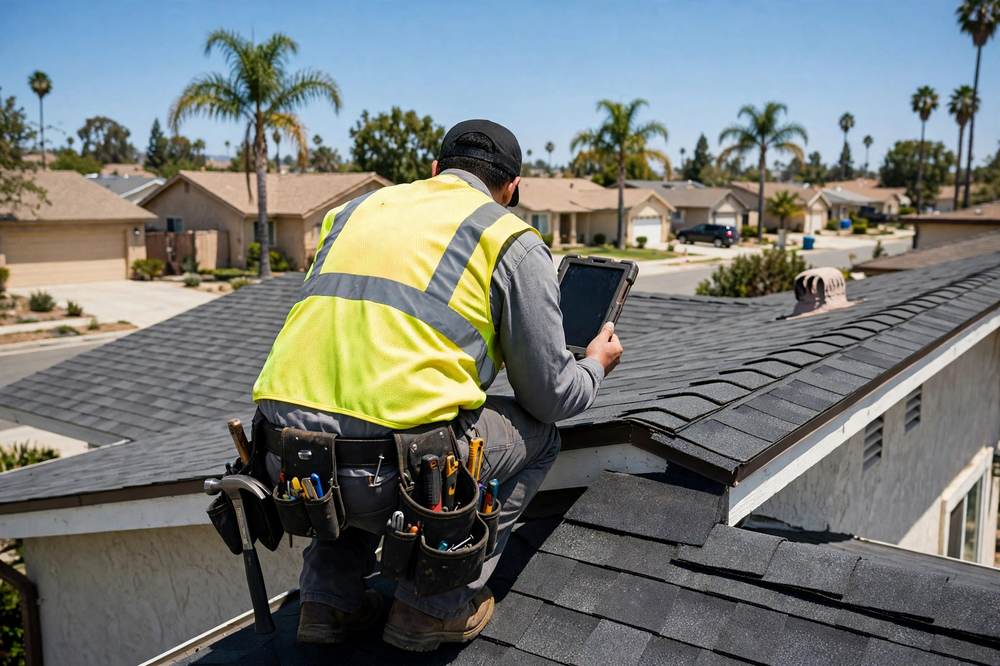
A documented look at condition and remaining life, with photos.
View serviceRelated reading: Metal roofing vs shingle roofing in Gardena: which lasts longer?. Gardena locations for this service: North Gardena, South Gardena, Moneta, Hollypark, Gardena Downtown.
Call us at +1 (562) 600-4041. We are open 24 hours every day. Tell us what the roof is doing and we will tell you what it needs, and arrange a time to look at it.