Gardena-based team
Based at 1247 W 130th St, Gardena, and open 24 hours every day.
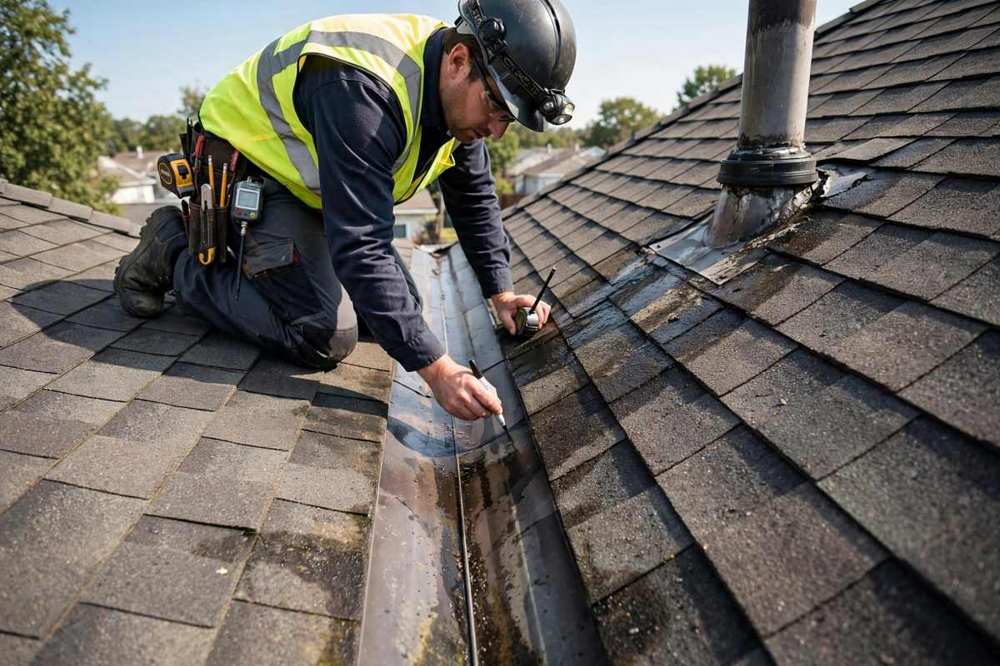
Roof leak repair Gardena starts with a question, not a patch: where is water actually getting in? A ceiling stain is often rooms away from the entry point, because water travels under the field before it drops. This page is about tracing that path — winter rain, valley failure, flashing failure, and pipe boots are Gardena's usual triggers — stopping the water, and then fixing the cause.
Based at 1247 W 130th St, Gardena, and open 24 hours every day.
Review the approach and call for an estimate before deciding.
What is found on the roof is shown, not just described.
Follow-through from first call to final walkthrough.
A leak job has two halves: stop the water, then fix the cause. Skipping the first half damages the interior; skipping the second guarantees a return visit.
The roof is walked and the attic checked, following staining, damp insulation, and daylight back to the entry point — valley, flashing, boot, or penetration.
Where water is actively entering, the entry is covered and the interior protected first, so the permanent fix is done dry rather than in a storm.
Failed valley metal, worn valley underlayment, or debris-dammed valleys are repaired with new valley material tied into the surrounding field.
Step flashing, wall flashing, and chimney flashing that has rusted, lifted, or separated is replaced and tied into the underlayment.
Split or perished pipe boots are replaced outright, since a boot that has split will leak at every winter burst until it is renewed.
Wet insulation, stained drywall, and deck damp found during tracing are noted and photographed, so the owner knows what the leak touched beyond the roof.
Share what is happening and receive a clear next step from the local team.
Gardena leaks follow a seasonal script. Months of dry summer age boots, sealants, and flashing, and then concentrated winter rain — about 13–14 inches a year, mostly November to March — tests them all at once. The triggers that come up again and again are failed pipe boots, valley failure where water concentrates, and flashing failure at walls and chimneys. A leak after heavy rain is therefore rarely a mystery; it is one of a short list of usual suspects, and the job is to work that list in order.
Gardena is an incorporated Los Angeles County South Bay city (incorporated 11 September 1930, 5.86 sq mi, 2020 population 61,027), with a median year built of 1964 and its largest building decade 1950–59 (28.4%). It is flat, at about 49 ft, with concentrated winter rain of about 13–14 inches a year, mostly November to March and near-zero June to September, plus Santa Ana wind season and strong sun and heat ageing. City of Gardena form BLD-020 (rev. 12/2/25) gives the design criteria as 100 mph wind, Exposure C, Seismic Design Category D, and Climate Zone 8. Permits are issued by the City of Gardena Building & Safety, 1700 W 162nd St — City counter (310) 217-9530 — not LADBS, which covers the City of Los Angeles only. A leak that turns out to be widespread field failure is not a leak repair at all — it is a replacement conversation, and that distinction is made after tracing, not before. Related reading on leaks after heavy rain is in the blog link at the bottom of this page.
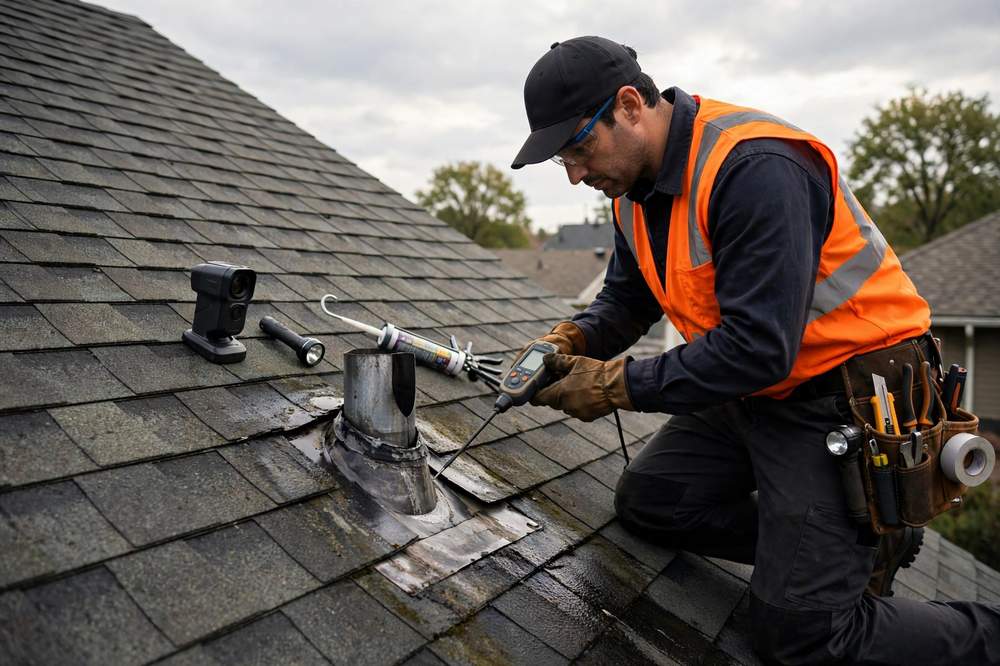
Call to discuss an estimate. When it leaks, where the stain is, and whether it follows heavy rain all help aim the first look.
The roof is walked and the attic checked, following the water's path from stain back to valley, flashing, boot, or penetration.
Active entry is covered and the interior protected, so further rain does not add damage while the permanent fix is prepared.
The failed valley, flashing, or boot is replaced and tied into the surrounding system, not sealed over.
The repair is photographed and the owner is told what to watch at the next winter burst, so any return is caught early.
The two halves of tracing: the roof surface for the entry, the attic for the water's path and the damage it left.
Deck and insulation damp is checked around the traced path, so wet material is noted rather than sealed inside.
Courses around the failure are lifted cleanly, so the repair ties into sound material instead of disturbing it.
Replacement valley metal and flashing are formed to the valley, wall, or chimney they serve.
Entry point, path, and fix are photographed, which matters if the same area ever leaks again.
Tarps and temporary covers are used to stop active entry, and removed once the permanent repair is in place.
Tracing follows damp insulation back to a valley whose underlayment had worn through. The valley is repaired with new material tied into both slopes, and the stain does not return.
The trigger is a pipe boot that split from sun ageing and only leaks when rain is heavy enough to reach it. The boot is replaced, and neighbouring boots are checked.
The flashing itself has rusted and separated; resealing kept covering the symptom. New step and counterflashing tied into the underlayment ends the cycle.
Gardena is an incorporated Los Angeles County South Bay city (incorporated 11 September 1930, 5.86 sq mi, 2020 population 61,027), with a median year built of 1964 and its largest building decade 1950–59 (28.4%). It is flat, at about 49 ft, with concentrated winter rain of about 13–14 inches a year, mostly November to March and near-zero June to September, plus Santa Ana wind season and strong sun and heat ageing. Leak calls here cluster in the first winter storms, when months of dry ageing meet the first real rain, and the usual triggers — valleys, flashing, pipe boots — are checked in that order. City of Gardena form BLD-020 (rev. 12/2/25) gives the design criteria as 100 mph wind, Exposure C, Seismic Design Category D, and Climate Zone 8. Permits are issued by the City of Gardena Building & Safety, 1700 W 162nd St — City counter (310) 217-9530 — not LADBS, which covers the City of Los Angeles only.
Older frontage with abutting shops brings party-wall and parapet flashing into some leak traces, alongside the usual residential triggers.
Tract homes with low-pitch sections leak at pitch-change flashing, where water moves slowly and finds weak joints.
Detached homes and small multifamily buildings share the same winter-burst triggers: boots, valleys, and flashing.
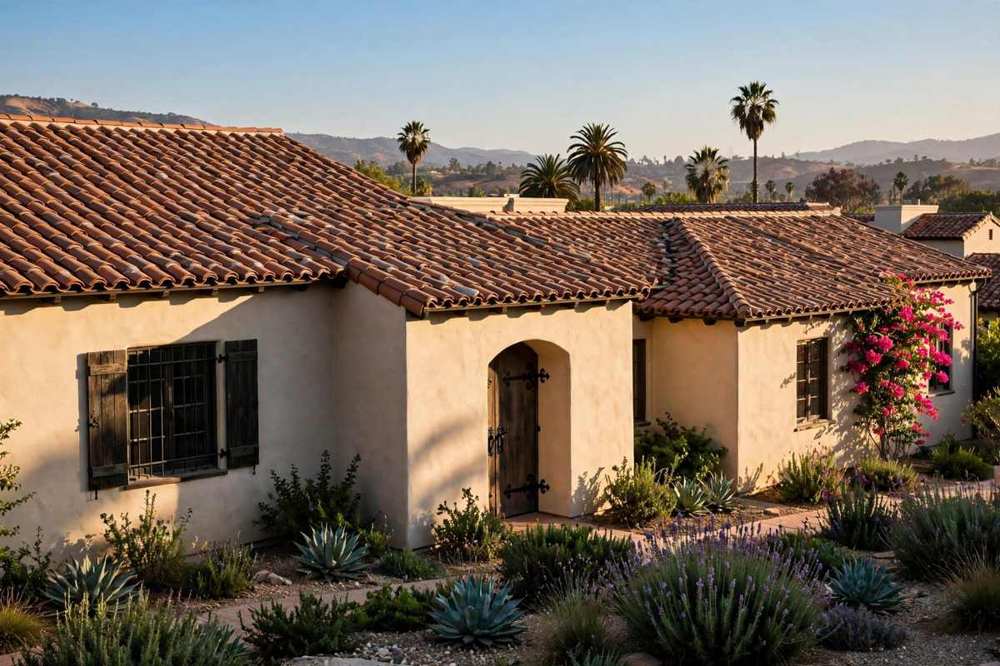
Southern Gardena's older stock adds tile-field leaks where underlayment, not the tile, is the failed layer.
North Gardena tract homes mix pitched and flat sections, so a leak trace names which pitch and which junction failed.
About 13–14 inches a year, mostly November to March, is why leaks cluster in the first storms rather than spreading evenly.
Months near-zero June to September dry out sealants and perish boots, setting up the winter's first failures.
A valley carries two slopes of runoff, so valley failure is checked early in any leak trace.
A stain appeared two rooms from the valley, and the valley underlayment had worn through under the channel.
New valley material tied into both slopes stopped the leak at the next winter burst.
Maintenance: Keep valleys clear of leaves and debris, since a dammed valley holds water against the joint.
A leak showed only in heavy winter rain, and the boot had split from sun ageing without any visible field damage.
The boot was replaced and neighbouring boots checked, ending a leak that resealing had only paused.
Maintenance: Check pipe boots each autumn before the rains, since boots on one roof age together.
A chimney flashing leak returned after two reseals, because the flashing itself had rusted and separated.
New step and counterflashing tied into the underlayment replaced the failed joint rather than covering it.
Maintenance: Check chimney flashing after wind season and after the first winter rains.
A leak repair is right when tracing finds a local entry point and a failed part to replace.
Worn valley underlayment or failed valley metal lets concentrated runoff under the field. New valley material tied into both slopes fixes it.
Rusted or separated flashing at a wall or chimney lets water behind the wall. New flashing tied into the underlayment stops it.
A split boot leaks at every heavy rain. Replacing the boot, not resealing it, is the fix.
A vent or skylight curb flashing that has separated lets water in around the penetration. The flashing is replaced and tied in.
A leak repair is verified by its tracing: the entry point is named, the path is shown, and the failed part is photographed before and after. Ask what failed and how it was found.
Full roof replacement plus seamless gutters; praised a detailed consultation, the company's own trained crew rather than subcontractors, daily project-manager presence, daily cleanup, and passing inspection.
First full roof replacement and new gutters; praised a step-by-step explanation and patience with insurance and financing questions, and clear communication.
Full roof replacement, gutters, gutter guard, and siding work in the reviewer's own account; praised colour renderings, scheduling, organisation, and communication, and options suited to Gardena sun and seasonal rain.
Leak leading to full replacement; praised a fast estimate and inspection, fair repair-versus-replacement advice, a 2-day install, and rooftop photos.
Reroof after poor workmanship and leaks on a new-home build; praised a thorough explanation, insurance-claim help, careful work on a steep roof with a special panel system, and cleanup.
Aggregate only for the other reviews: 4.9 stars across 42 reviews in total. Reviewers described pricing as fair; no dollar figure is claimed from reviews.
Gardena's rain arrives in bursts after a dry summer, so a boot, valley, or flashing joint that survives a light shower can fail in the first heavy storm. The usual triggers are pipe boots, valley failure, and flashing failure, checked in that order.
Water travels along rafters and under the field before it drops, so the stain can be rooms away from the entry point. Tracing follows the attic evidence back to the source rather than patching above the stain.
If water is actively entering, it is covered first to protect the interior, and the permanent fix follows once the area is dry and the cause is confirmed. A tarp is a stop, not the repair.
When tracing finds widespread field failure, soft decking in several places, or the same failure across the roof, rather than one local entry point. That distinction is made after tracing, not assumed from the stain.
Not seeing your question? Our local team can help you understand urgency, scheduling and what to expect. Related reading: Why is my roof leaking after heavy rain in Gardena?.
Ask the local team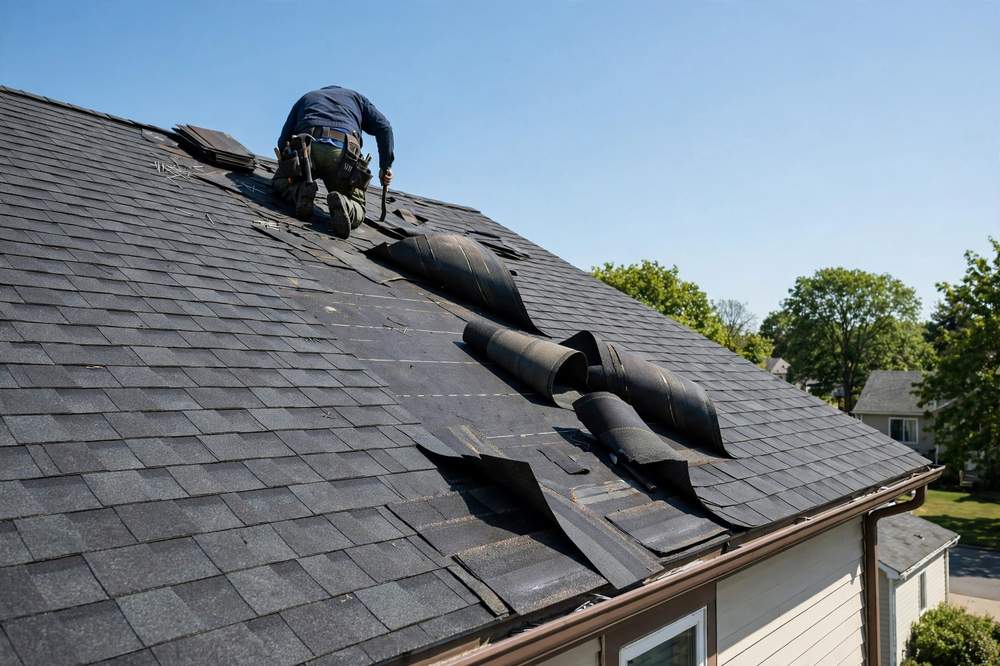
Targeted fixes for a defined problem, without replacing the whole roof.
View service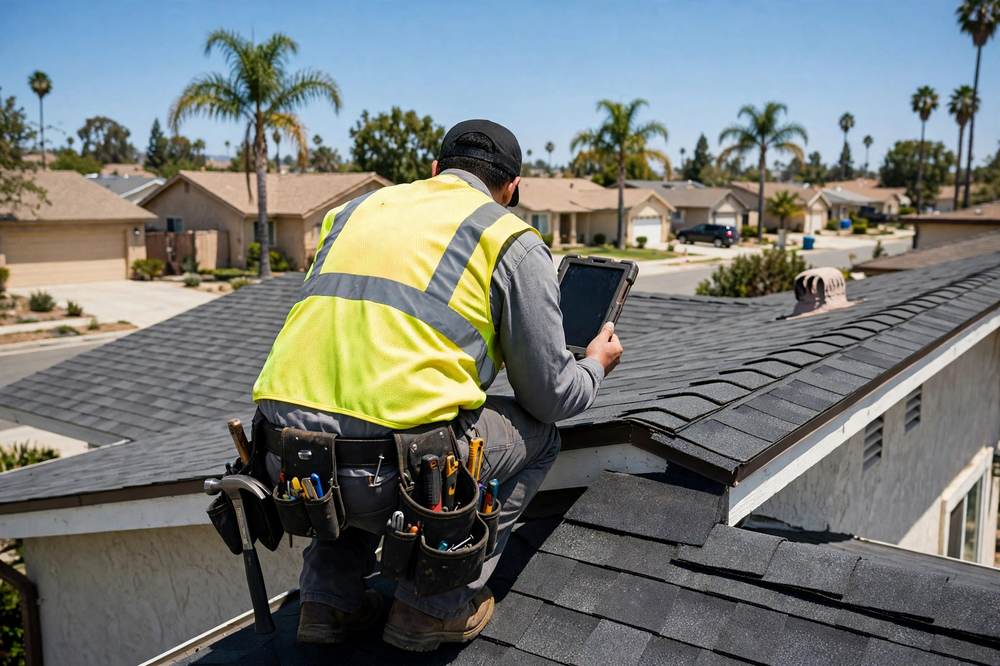
A documented look at condition and remaining life, with photos.
View service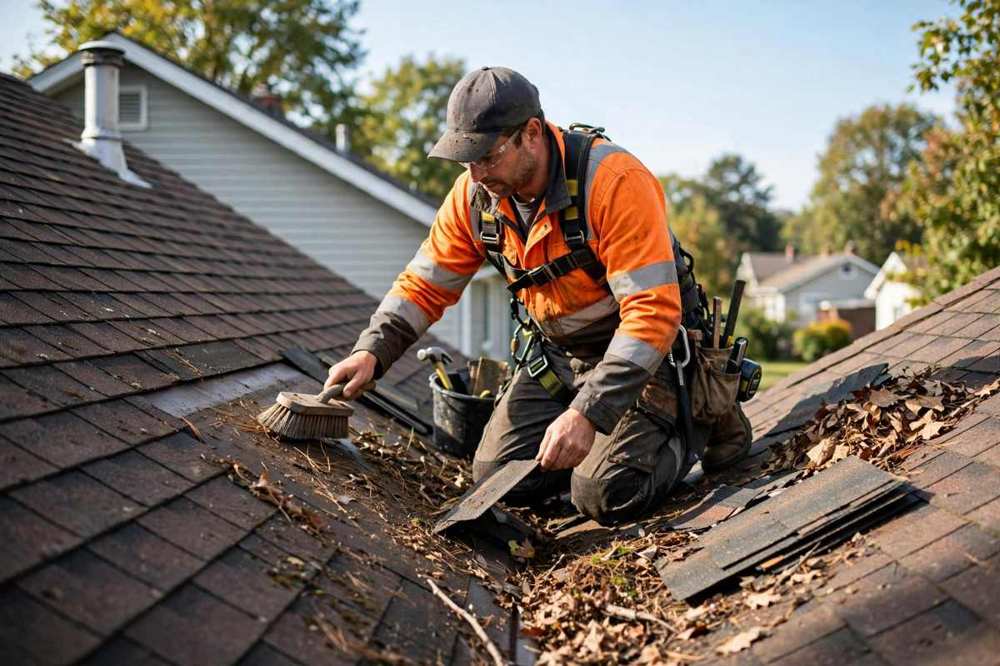
Seasonal checks, clearing, and small reseals that keep a roof sound.
View service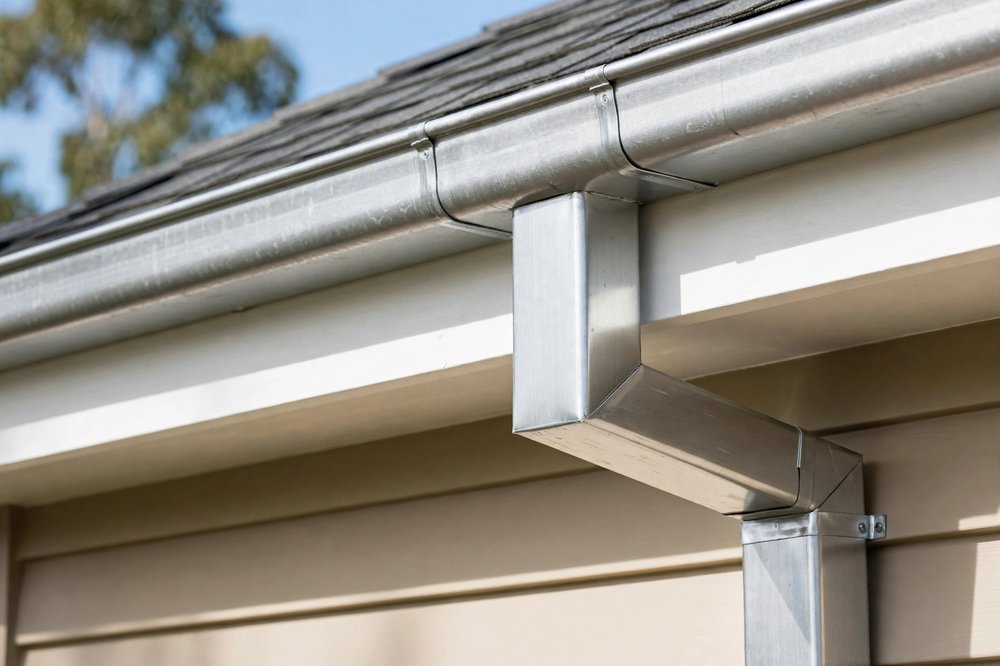
Seamless gutters and downspouts sized for Gardena's burst rainfall.
View serviceRelated reading: Why is my roof leaking after heavy rain in Gardena?. Gardena locations for this service: North Gardena, South Gardena, Moneta, Hollypark, Gardena Downtown.
Call us at +1 (562) 600-4041. We are open 24 hours every day. Tell us what the roof is doing and we will tell you what it needs, and arrange a time to look at it.