Phone-only contact
Call +1 (562) 600-4041 to discuss an estimate.
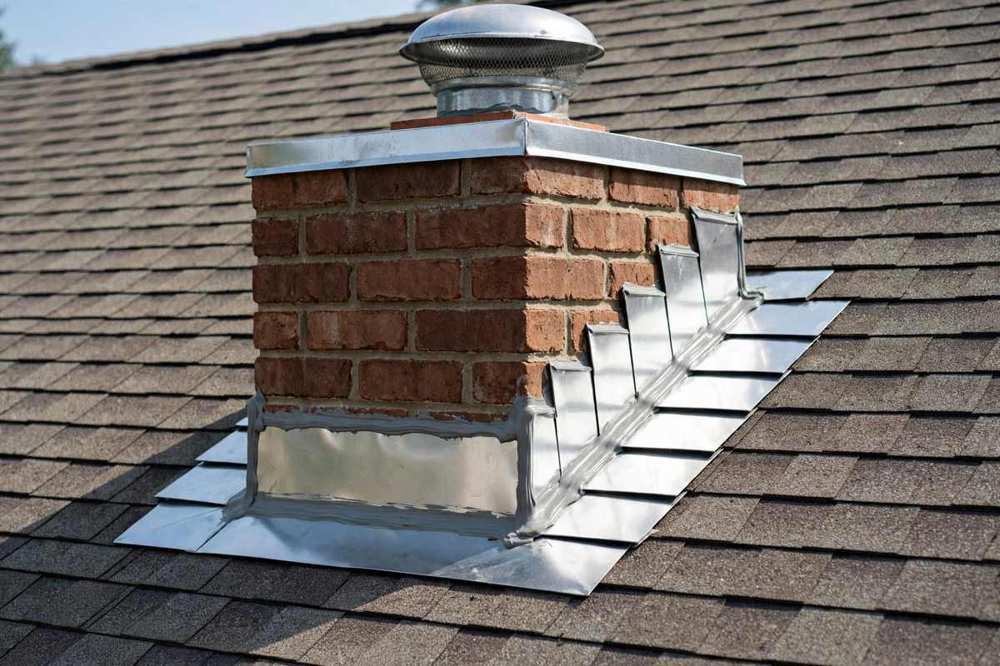
Most Gardena leaks do not start in the middle of a roof field — they start where the roof meets something: a valley, a chimney, a wall, a pipe boot or a skylight curb. Flashing is the metal and membrane work that seals those junctions, and when it fails, water follows the junction straight inside. Call +1 (562) 600-4041 to discuss an estimate.
Call +1 (562) 600-4041 to discuss an estimate.
Review the approach before deciding.
Equipped vehicles and respectful cleanup.
A Gardena contractor serving Gardena homes.
Flashing repair is junction-by-junction work: each penetration and transition is inspected, and only the failed junction is opened and rebuilt.
Valley metal and underlayment are checked for rust, lifting and debris dams, and rebuilt where water is channelling underneath.
Step flashing, counterflashing and chimney-base seals are inspected and rebuilt, including mortar-joint and cricket considerations where present.
Step flashing where a roof meets a wall, including dormer and addition junctions, is checked for gaps, lifting and missing counterflashing.
Cracked, split or UV-aged pipe boots and vent flashings are replaced, with the surrounding shingles or membrane reseated.
Flashing at skylight curbs is inspected as a junction, distinct from skylight glazing or seals — the two failures are diagnosed separately.
Share what is happening and receive a clear next step from the local team.
Roof flashing repair in Gardena is the repair of the sealed junctions where a roof meets a valley, chimney, wall, pipe or skylight curb — the points where water concentrates and where sealant alone, without rebuilt metal, usually fails again.
Gardena's pattern explains why flashing dominates leak calls: concentrated winter rain drives water down valleys and against chimneys and walls in bursts, while long dry summers and UV age pipe boots and sealants until they crack. On 1950s–70s tract stock, original flashing may have been patched several times, and each patch layer hides the metal condition underneath. A flashing repair therefore opens the junction, replaces failed metal and boots, and reseats the surrounding covering — rather than smearing sealant over a junction whose metal has already failed.
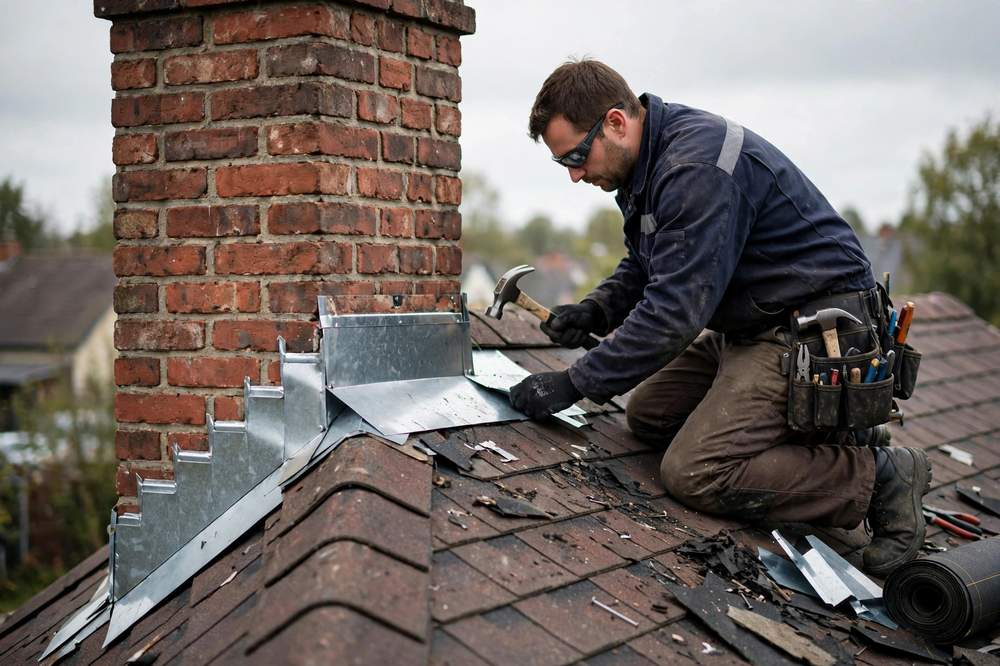
Stains and entry points are traced uphill to the valley, chimney, wall, boot or curb that actually admits water.
The failed junction is opened — surrounding covering lifted, old flashing and sealant removed — so failed metal is seen, not guessed at.
New step, valley, counterflashing or boot work is installed to suit the roof type and junction, with surrounding covering reseated.
The rebuilt junction is checked for fit, overlap direction and drainage, so water sheds over, not under, each layer.
You are shown the rebuilt junction and told what to watch at the next heavy rain.
Individual step pieces at walls and chimneys, lapped so water sheds from one piece to the next.
Valley flashing rebuilt to carry concentrated flow without channelling underneath.
Chimney and wall counterflashing that caps step flashing and keeps water out of the joint behind it.
Cracked boots replaced whole, with surrounding covering reseated, rather than patched with sealant.
Curb flashing treated as its own junction, with head, side and sill flashing lapped in drainage order.
Sealant backs up metal flashing; it is not used as the flashing itself.
Valley stains point to valley flashing or underlayment failure; the valley is opened and rebuilt, not surface-sealed.
Repeated chimney leaks usually mean step or counterflashing failure, not a sealant shortage; the chimney base flashing is rebuilt.
UV-cracked boots leak at every rain; replacement is a defined, small scope with the surrounding covering reseated.
Glazing can be sound while curb flashing has failed; the curb junction is diagnosed before any skylight replacement is discussed.
Gardena is an incorporated Los Angeles County South Bay city (incorporated 11 September 1930, 5.86 sq mi, 2020 population 61,027), in Climate Zone 8, with a median home built year of 1964 and the largest building decade 1950–59. Rain here is concentrated in winter (about 13–14 inches a year, November–March, near-zero June–September), with Santa Ana wind season and strong summer sun and heat ageing roofs. Design criteria from City of Gardena form BLD-020 (rev. 12/2/25) are 100 mph wind, Exposure C, Seismic Design Category D. Permits for re-roofs go through the City of Gardena Building & Safety Division, City Hall Room 101, 1700 W 162nd St — not LADBS. Gardena permit fees are valuation-based under the 1 July 2026 schedule; there is no flat residential reroof fee, and CF1R forms are required for a reroof permit. For flashing, the Gardena story is burst rain plus aged junctions: winter storms push water hard against every valley, chimney and wall, while decades of summer UV have already aged the boots and sealants that must hold it back. Older tract homes, with original or repeatedly patched flashing, are where that combination shows first.
Related reading: How to repair roof flashing around a chimney.
Founding-stock homes where original flashing has often been patched repeatedly; opening the junction matters more than adding another seal.
1960s tracts where valley and wall junctions repeat house to house, making a failed pattern easy to recognise.
Mixed frontage where parapet and shared-wall flashing adds junctions a detached house does not have.
Winter bursts funnel water into valleys; valley metal condition decides whether that water stays out.
Long dry summers crack rubber boots; replacement, not resealing, is the durable answer.
Chimneys collect water on their uphill side; step and counterflashing there must shed, not trap, it.
A valley had been surface-sealed twice and leaked at every heavy rain, staining the ceiling below the valley line.
The valley was opened, failed metal and underlayment replaced, and the junction rebuilt; the next winter bursts stayed dry.
Maintenance: Surface sealant over failed valley metal is not a valley repair.
A chimney leaked on its uphill face after storms, though the other faces had been resealed.
Step and counterflashing on the uphill face were rebuilt, with the cricket and base junction checked; the leak stopped.
Maintenance: Chimneys are four junctions; fixing one face does not fix the others.
A small ceiling stain traced to a UV-cracked pipe boot that had been caulked over.
The boot was replaced whole and surrounding shingles reseated; the stain dried and did not return.
Maintenance: Replace cracked boots; do not caulk over them.
Flashing failures share one trait: water follows the junction, so the stain inside rarely sits directly below the failed metal outside.
Rust, lifting or debris-dammed valley metal lets concentrated flow underneath; the valley is rebuilt, not resealed.
Missing or corroded chimney flashing admits water at the base; both step and counter layers are rebuilt.
UV and heat split rubber boots; replacement whole, with covering reseated, is the fix.
Wall junctions that have shifted or lost counterflashing leak at the wall line; step flashing is rebuilt in drainage order.
Flashing work is metalwork and drainage logic, not sealant volume — and the test is always the same: does water shed over every layer, in order, toward the gutter?
Paraphrased summaries of five 5-star Google reviews; the other 37 reviews are counted in the 4.9-star, 42-review aggregate only.
Full roof replacement plus seamless gutters; praised a detailed consultation, the company's own trained crew rather than subcontractors, daily project-manager presence, daily cleanup, and passing inspection.
First full roof replacement and new gutters; praised step-by-step explanation and patience with insurance and financing questions, and clear communication.
Full roof replacement, gutters, gutter guard, and siding work in the reviewer's own account; praised colour renderings, scheduling, organisation, and communication, and options suited to Gardena sun and seasonal rain.
Leak leading to full replacement; praised a fast estimate and inspection, fair repair-versus-replacement advice, a 2-day install, and rooftop photos.
Reroof after poor workmanship and leaks on a new-home build; praised a thorough explanation, insurance-claim help, careful work on a steep roof with a special panel system, and cleanup.
Flashing is the metal and membrane work that seals roof junctions — valleys, chimneys, walls, pipe penetrations and skylight curbs — so water sheds over each layer instead of entering at the joint.
Because sealant over failed metal is not a flashing repair. If step flashing, valley metal or a pipe boot has corroded or split, the metal itself must be replaced.
No. Many skylight leaks are curb flashing failures, while the glazing and seals are sound. The curb junction is diagnosed before replacement is discussed.
A localised flashing repair is not a re-roof. Re-roofs require a City of Gardena Building & Safety permit with CF1R forms, and fees are valuation-based under the 1 July 2026 schedule.
Not seeing your question? Our local team can help you understand urgency, scheduling and what to expect.
Ask the local team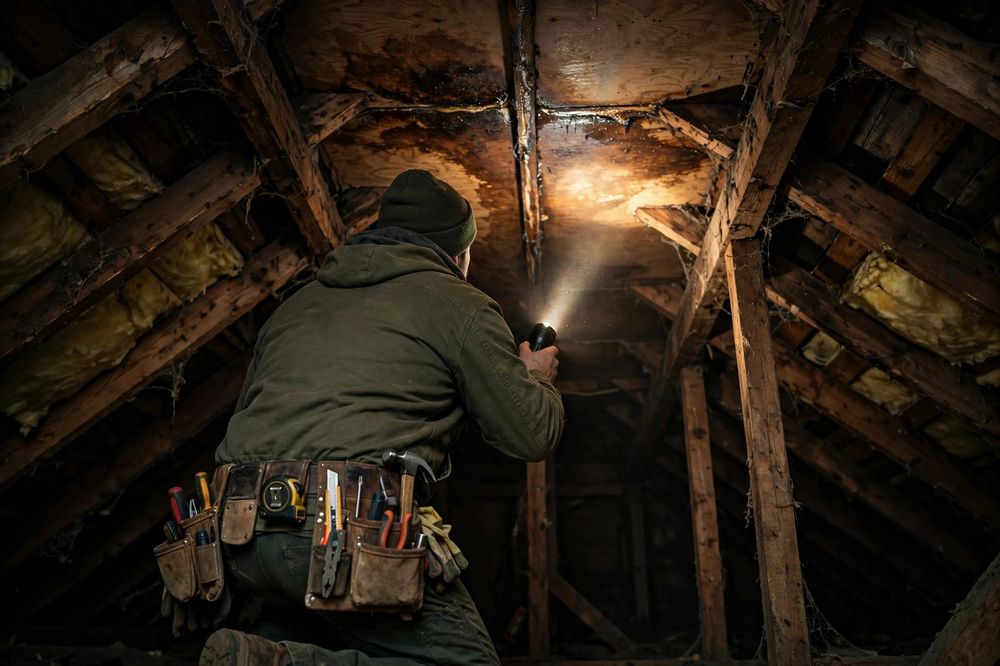
Leak diagnosis traces water to its junction before any flashing scope is sold.
View service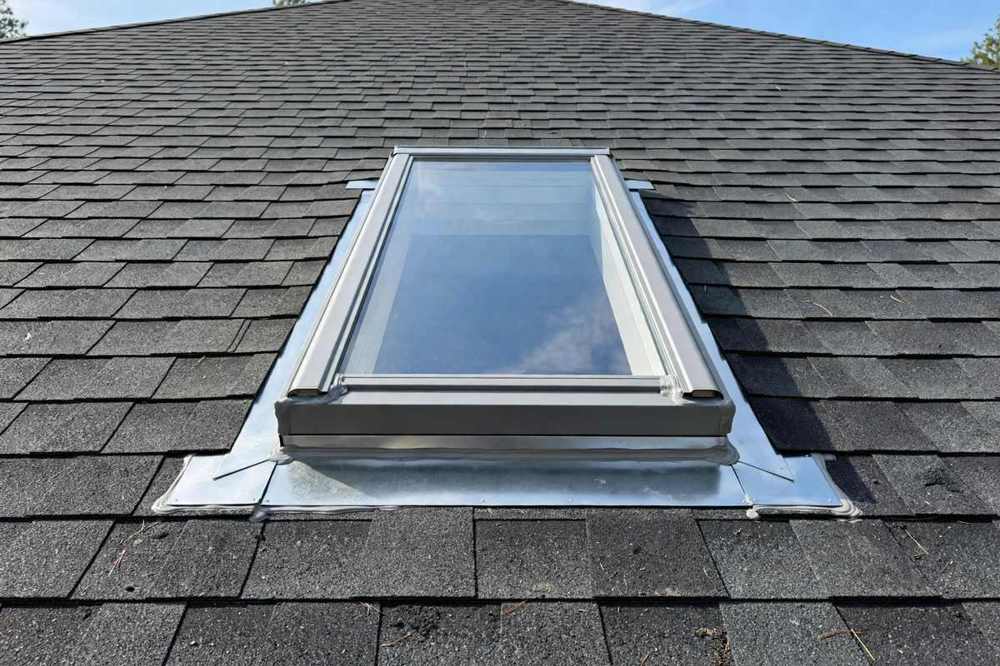
Skylight curb flashing is diagnosed separately from skylight seals and glazing.
View service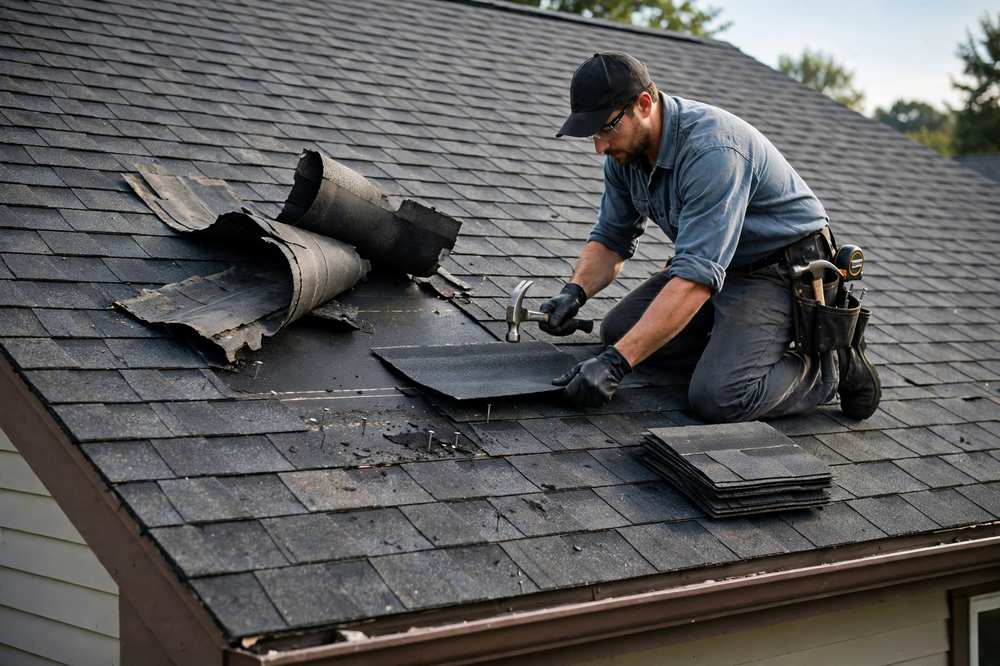
Field repairs and junction repairs are different scopes, priced and sequenced differently.
View service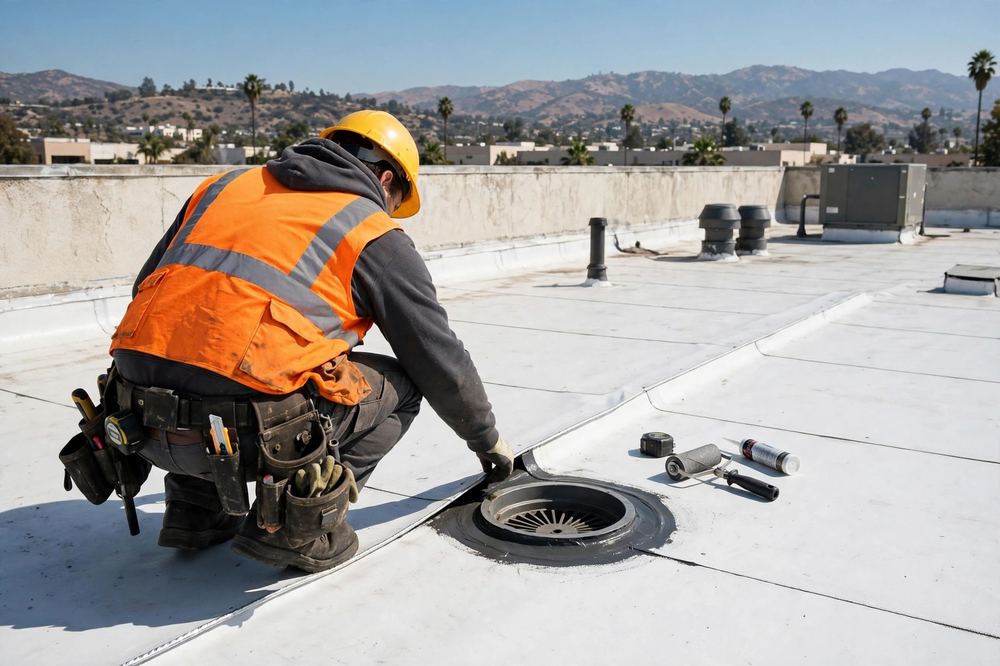
An inspection maps every junction's condition before the wet season tests it.
View serviceCall us at +1 (562) 600-4041 to discuss an estimate. Our phones are open 24 hours every day. Tell us what the roof is doing and we will tell you what it needs.