Phone-only contact
Call +1 (562) 600-4041 to discuss an estimate.
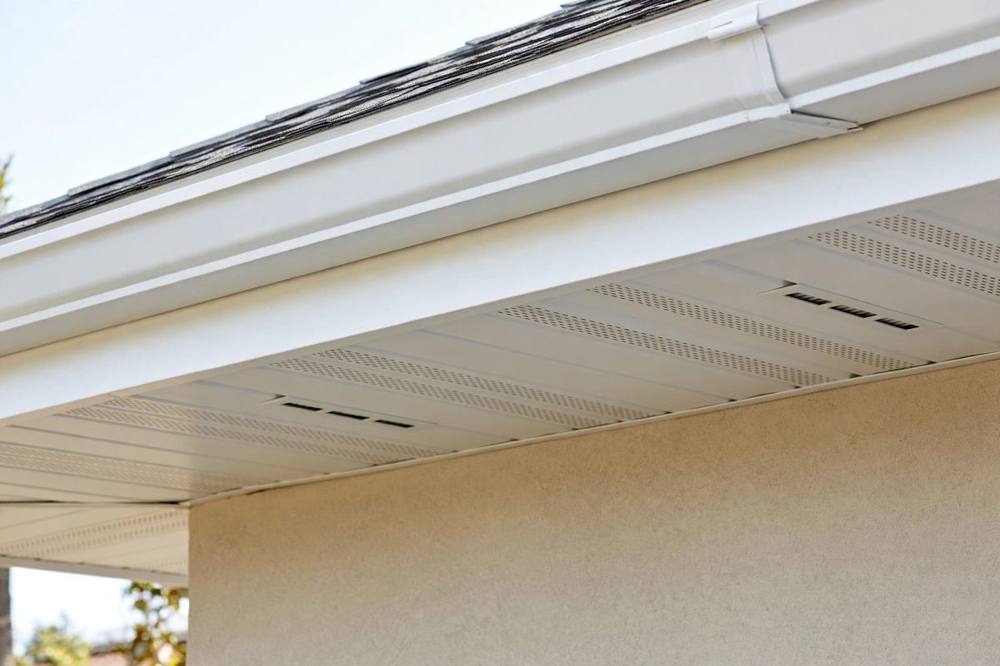
Soffits and fascia do two different jobs that fail together: soffits let air into the attic, and fascia boards carry the gutter and close the roof edge. When water gets behind a gutter or air stops moving through the soffit, both rot and attic heat follow. This page treats soffit and fascia repair in Gardena as its own scope — distinct from gutter repair, though the two often need sequencing. Call +1 (562) 600-4041 to discuss an estimate.
Call +1 (562) 600-4041 to discuss an estimate.
Review the approach before deciding.
Equipped vehicles and respectful cleanup.
A Gardena contractor serving Gardena homes.
Work starts at the roof edge and the attic intake, not at the gutter alone, because a new gutter screwed into rotted fascia will fail again.
Soft, stained or split fascia is probed and replaced in sections, so gutters and drip edge have solid wood to fasten to.
Damaged, sagging or blocked soffit panels are repaired or replaced, restoring both the finished eave and the intake opening.
Soffit vents are checked for paint, debris or insulation blocking airflow — a blocked intake starves the whole ventilation path.
Stains and rot are traced to their source — gutter overflow, roof-edge flashing or a valley leak — before boards are replaced.
Where gutters were removed for fascia work, they are re-hung at correct pitch and flow-tested, as a sequenced step, not an assumed extra.
Share what is happening and receive a clear next step from the local team.
Soffit and fascia repair in Gardena covers the boards and panels at the roof edge: fascia that has rotted where water spilled behind a gutter, and soffits whose vents no longer admit air to the attic.
The Gardena angle is age plus climate. A median built year of 1964 and a 1950s–70s tract stock mean many eaves have seen decades of winter-burst overflow and summer heat, and a fascia board can look painted and sound while its back face is soft. Ventilation matters here for a different reason than in cold climates: Gardena attics bake in summer, and an intake blocked at the soffit leaves hot, moist air with nowhere to go, even when ridge or gable outlets exist.
Fascia is probed for softness, soffit panels and vents are checked, and stains are traced to gutter overflow, flashing or valley sources.
You get a written scope: which boards and panels, what source repair comes first, and whether gutter removal and re-hanging is part of the sequence.
Damaged sections are removed and replaced with solid boards, cut to match the existing eave line.
Panels are repaired or replaced and vent openings cleared, restoring intake airflow to the attic.
Gutters, where removed, are re-hung at pitch and flow-tested, and the finished eave is walked through with you.
A probe, not a paint check, finds soft wood behind a sound-looking surface.
Boards are replaced in sections to match the eave line, rather than patching over rot.
Paint, debris and insulation blocking soffit vents are cleared so intake air can actually enter.
Overflow, flashing and valley sources are identified before boards are replaced, so new wood does not rot the same way.
Any re-hung gutter is checked to a chalk line before the job is called done.
Water through the re-hung run proves drainage after fascia work.
Peeling paint at the eave often hides soft fascia; probing finds the extent before gutters pull away.
Sagging panels and blocked vents cut attic intake; both are repaired and cleared as one scope.
Eave stains trace to gutter overflow or roof-edge flashing; the source is found first, then boards are replaced.
Repeated pull-away points to the fascia, not the hangers — new hardware in rotted wood will not hold.
Gardena is an incorporated Los Angeles County South Bay city (incorporated 11 September 1930, 5.86 sq mi, 2020 population 61,027), in Climate Zone 8, with a median home built year of 1964 and the largest building decade 1950–59. Rain here is concentrated in winter (about 13–14 inches a year, November–March, near-zero June–September), with Santa Ana wind season and strong summer sun and heat ageing roofs. Design criteria from City of Gardena form BLD-020 (rev. 12/2/25) are 100 mph wind, Exposure C, Seismic Design Category D. Permits for re-roofs go through the City of Gardena Building & Safety Division, City Hall Room 101, 1700 W 162nd St — not LADBS. Gardena permit fees are valuation-based under the 1 July 2026 schedule; there is no flat residential reroof fee, and CF1R forms are required for a reroof permit. For eaves, that means two Gardena pressures at once: winter bursts that overflow gutters onto fascia, and summer heat that punishes an attic whose soffit intake is blocked. Older tract eaves, with decades of paint and repair layers, are where both show up first.
Related reading: Why does my roof make popping noises during the day?.
Southern founding-stock homes where eave age and fascia wear are the expected starting point.
1960s tracts where long, uniform eaves make a failed section easy to compare against sound neighbours.
Storefront and mixed frontage where parapet-adjacent eaves and signage penetrations complicate the roof edge.
Water spilling behind gutters is the commonest fascia killer; the gutter cause is fixed with the board.
Painted or debris-blocked soffit vents starve attic airflow even when outlets are present.
A starved attic in a Gardena summer runs hot; restoring intake is a heat measure, not just a tidy-up.
A gutter had been re-hung twice and pulled away twice; the fascia behind it was soft along a ten-foot stretch.
The soft sections were replaced, the gutter re-hung into solid wood at pitch, and the overflow source — a blocked downspout — was cleared.
Maintenance: Check fascia by probing, not by paint, and clear downspouts before blaming hangers.
An attic ran hot every summer and the soffit vents, painted over through several repaints, admitted almost no air.
Panels were repaired and vent openings restored, giving the existing outlets an intake to work with.
Maintenance: Keep soffit vents clear of paint and debris at every repaint or cleaning.
Stains under one eave section were assumed to be gutter overflow; tracing found a valley leak above instead.
The valley source was repaired, then the damaged fascia and soffit sections were replaced, so new wood was not fed the same leak.
Maintenance: Trace eave stains to source before replacing boards.
Eave failures look small from the ground and grow quietly — rot spreads along a board, and a blocked intake heats an attic all summer.
Overflow and age soften the board gutters hang from; replacement in sections, with the source fixed, is the durable answer.
Paint, debris and insulation close the vents that feed attic ventilation; clearing them restores airflow the outlets need.
Damaged panels sag, gap and admit pests and weather; repair restores both the eave finish and the intake opening.
When hangers keep failing, the fascia is usually the problem; new hardware in soft wood is not a repair.
Soffit and fascia work is judged by two tests: does the gutter stay hung, and does the attic breathe? Both are checked before the job is called done.
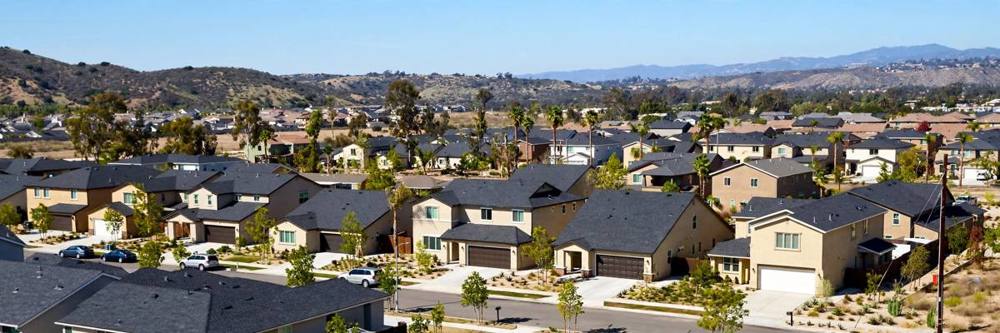
Paraphrased summaries of five 5-star Google reviews; the other 37 reviews are counted in the 4.9-star, 42-review aggregate only.
Full roof replacement plus seamless gutters; praised a detailed consultation, the company's own trained crew rather than subcontractors, daily project-manager presence, daily cleanup, and passing inspection.
First full roof replacement and new gutters; praised step-by-step explanation and patience with insurance and financing questions, and clear communication.
Full roof replacement, gutters, gutter guard, and siding work in the reviewer's own account; praised colour renderings, scheduling, organisation, and communication, and options suited to Gardena sun and seasonal rain.
Leak leading to full replacement; praised a fast estimate and inspection, fair repair-versus-replacement advice, a 2-day install, and rooftop photos.
Reroof after poor workmanship and leaks on a new-home build; praised a thorough explanation, insurance-claim help, careful work on a steep roof with a special panel system, and cleanup.
No. Gutter repair fixes the drainage run; soffit and fascia repair fixes the boards the gutter hangs from and the panels and vents that admit attic air. The two are often sequenced, but they are different scopes.
One common cause is blocked soffit intake: ridge or gable outlets cannot move air that never enters. Restoring soffit vents is a first check, not a guarantee — insulation and roof condition also matter.
Only if the fascia is sound. If probing finds soft wood, the board must be replaced first, or new hangers will fail the same way.
Fascia and soffit repair alone is not a re-roof. Re-roofs require a City of Gardena Building & Safety permit with CF1R forms; check with the City counter, (310) 217-9530, for any job that also replaces roofing.
Not seeing your question? Our local team can help you understand urgency, scheduling and what to expect.
Ask the local team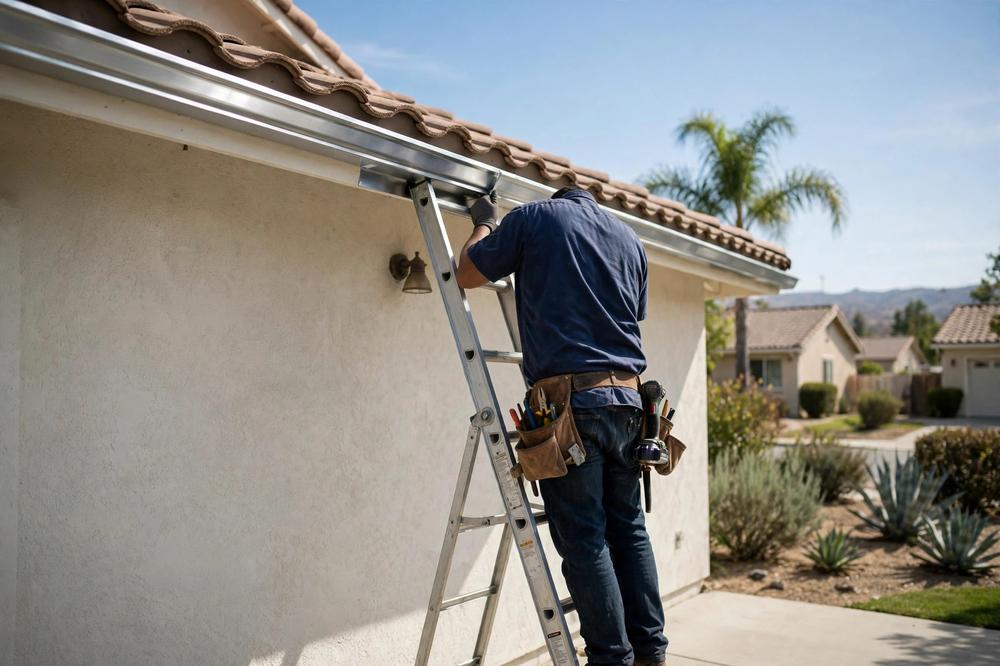
Overflow is the commonest fascia killer — gutter repair and fascia repair are sequenced together.
View service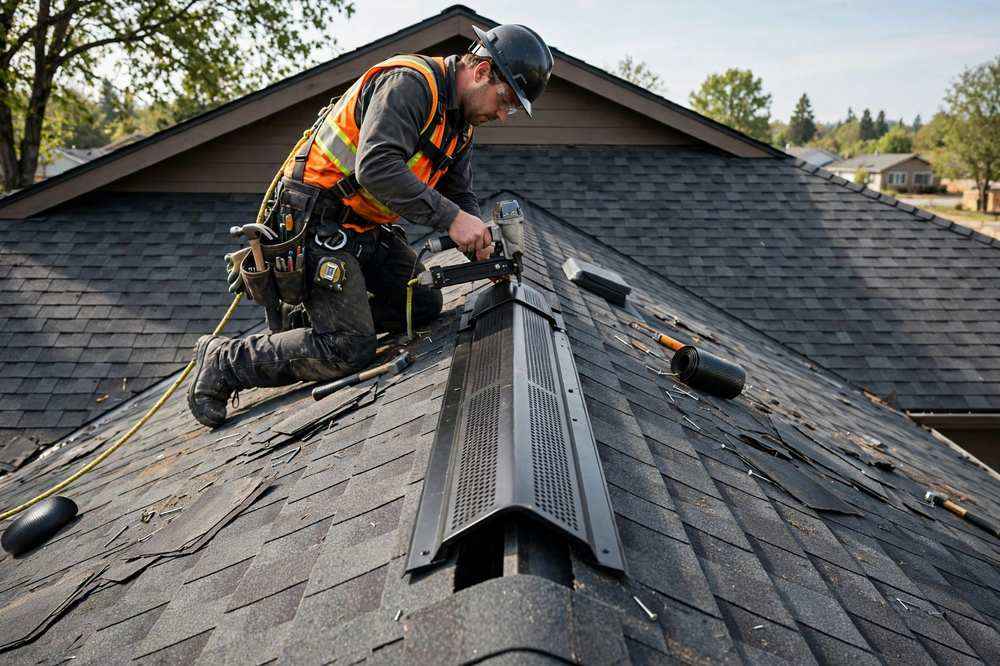
Soffit intake is half the ventilation assembly; vent work completes the path.
View service
Roof-edge flashing and valley leaks that rot fascia are repaired at their source.
View service
An inspection finds soft fascia and blocked intake before either becomes a larger job.
View serviceCall us at +1 (562) 600-4041 to discuss an estimate. Our phones are open 24 hours every day. Tell us what the roof is doing and we will tell you what it needs.